
Universal Design for classrooms and learning spaces is an approach to planning and teaching that creates environments usable by all learners—regardless of ability, language, culture, or learning style—without the need for special adaptations. It emphasizes flexibility, accessibility, and inclusivity in physical layout, instructional methods, materials, and technology so every student can participate, engage, and succeed.
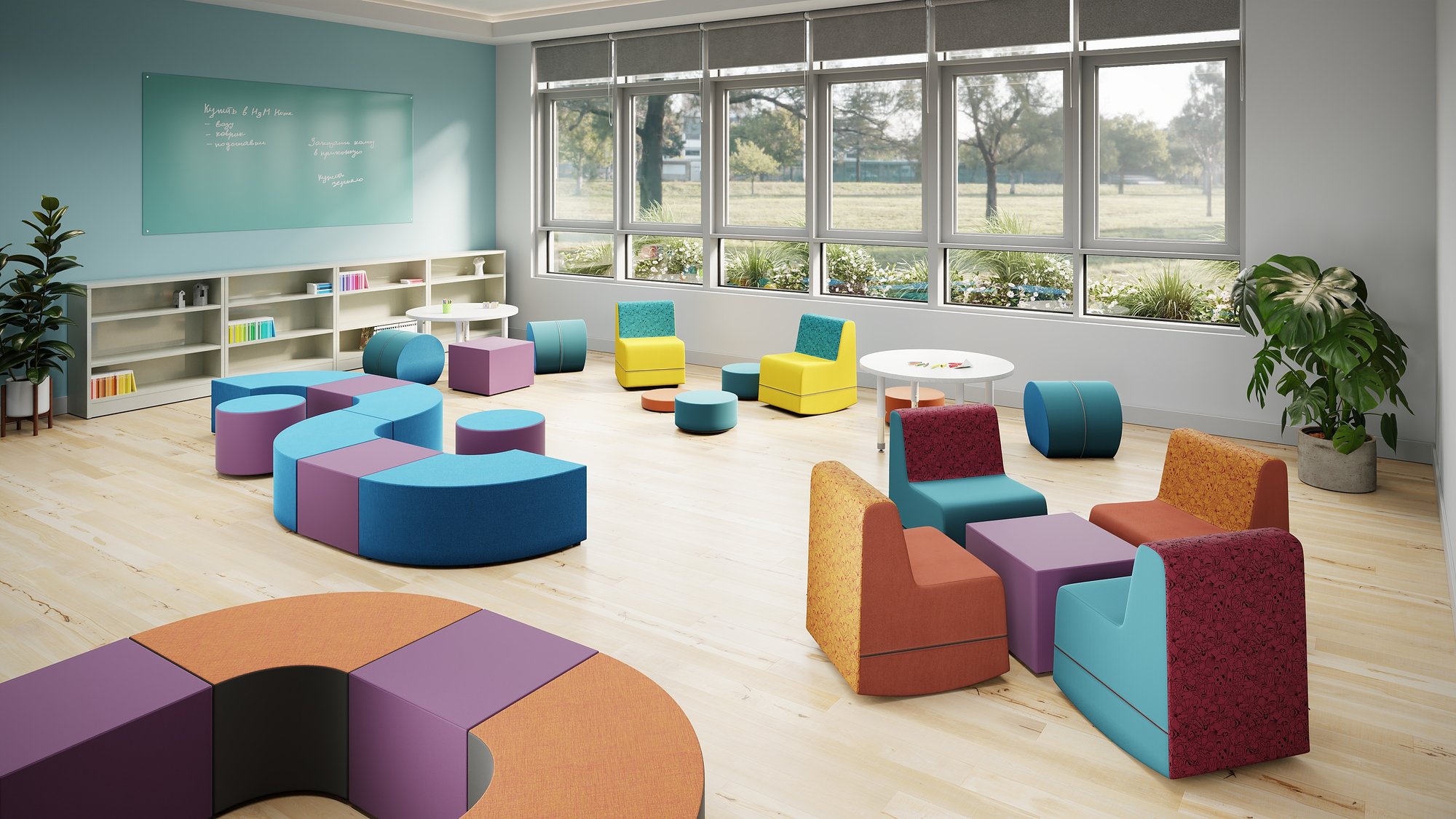
Universal Design for Learning Spaces
Students, teachers, and support teams need learning spaces that encourage their success. We're on a mission to understand how we can support the diverse and individual needs of learners, as well as the educators and staff who work with them. These are some of the questions we try to address every day.

Through Their Eyes
Changing the way we design learning spaces.
“Through Their Eyes” is a way of rethinking classrooms design from the perspective of the students who use them. Instead of starting with furniture, we start with the child—looking at how they learn, move, focus, and connect. By seeing school through their eyes, we design more thoughtful, inclusive, and inspiring spaces that truly support student success.

Universal Design for Classrooms & Learning Spaces
Designing for Every Learner.
-
Design for All
-
Universal Design is for everyone.
It is intended to benefit all learners and users, including:
-
Students with disabilities (visible and invisible)
-
Students without disabilities
-
Learners with different learning styles, strengths, and preferences
-
Multilingual learners
-
Students from diverse cultural and socioeconomic backgrounds
-
People with temporary limitations (injury, illness, stress)
-
Educators, staff, families, and visitors who use the space
The goal is to design environments and experiences that work well for the widest possible range of people from the start, rather than making accommodations later for a few.
-
-
Universal Design Considerations
Simply put:
-
Neurodiversity = differences in minds and learning
-
Physical diversity = differences in bodies and physical access
Neurodiversity
Neurodiversity refers to natural differences in how people’s brains work and process information.
It includes variations in:-
Attention and focus (e.g., ADHD)
-
Learning and information processing (e.g., dyslexia, dyscalculia)
-
Social communication and sensory processing (e.g., autism)
-
Memory, executive functioning, and emotional regulation
These differences mainly affect how students think, learn, communicate, and respond to their environment.
Physical diversity
Physical diversity refers to differences in students’ bodies and physical abilities.
It includes variations in:-
Mobility (e.g., wheelchair use, limited stamina)
-
Sensory abilities (vision, hearing)
-
Fine and gross motor skills
-
Health conditions or physical size and strength
These differences mainly affect how students move through, access, and physically interact with spaces, materials, and tools. Both are important considerations in inclusive education and are addressed through universal design, which aims to support all students without singling anyone out.
-
-
A Universal Design Approach for All Learning Styles
By offering multiple ways to engage, access information, and show understanding, rather than relying on a single approach. Learning styles supported by universal design
Visual learners
-
Diagrams, charts, images, color coding, and clear visual organization
-
Good sightlines, readable displays, and flexible lighting
Auditory learners
-
Spoken instruction, discussions, audio recordings, captions, and sound-field systems
-
Spaces designed with good acoustics
Kinesthetic learners
-
Hands-on activities, movement-friendly furniture, and flexible seating
-
Opportunities to learn by doing
Reading/Writing learners
-
Text-based materials, note-taking options, printed and digital resources
-
Adjustable text size and format
Social (interpersonal) learners
-
Collaborative seating, group tables, and discussion areas
-
Spaces that support teamwork and communication
Independent (intrapersonal) learners
-
Quiet zones, individual workspaces, and options for focused work
-
Reduced distractions
Sensory-sensitive learners
-
Calm color palettes, noise control, predictable layouts, and choice of environment
-
Furniture and spaces that reduce sensory overload
Universal design does not label or separate learners. Instead, it builds in choices and flexibility so students can learn in the ways that work best for them—often using more than one style at the same time.
-
-
Learning Design Approaches
They overlap, but differ in focus, intent, and scope—and work best when used together.
Here’s a clear, side-by-side way to understand the differences:
-
Accessible design: Makes things usable for people with disabilities
-
Inclusive design: Ensures diverse people are considered and involved
-
Universal design: Designs for everyone, from the outset
Here's more detail and examples:
Universal design focuses on designing environments and experiences that work for everyone from the start, without the need for adaptation or retrofitting.
-
Proactive and broad in scope
-
Aims for the widest possible usability
-
Common in architecture, education, and product design
Example: A classroom with adjustable seating, multiple ways to access content, and clear wayfinding that benefits all students.
Accessible design focuses on meeting the needs of people with disabilities, often to comply with laws or standards.
-
Reactive or compliance-driven
-
Addresses specific access requirements
-
Often involves accommodations or add-ons
Example: Installing a ramp or providing captions to meet accessibility requirements.
Inclusive design focuses on ensuring that diverse and historically marginalized groups are considered and represented in the design process.
-
Emphasizes equity, participation, and user voice
-
Considers social, cultural, linguistic, and identity-based differences
-
Often iterative and human-centered
Example: Co-designing learning materials with students from different cultural and linguistic backgrounds.
-
-
Student Choice in Design
Key ways furniture supports different learners
1. Supports movement and focus
-
Flexible seating (stools, standing desks, wobble chairs) helps students who learn best through movement or need help maintaining attention.
-
Allows students to self-regulate energy and focus.
2. Offers choice and autonomy
-
A mix of seating options (chairs, soft seating, floor seating, tables) lets students choose what works best for them.
-
Choice increases engagement and motivation across learning styles.
3. Enables collaboration and independence
-
Mobile desks and tables support quick shifts between group work and individual tasks.
-
Supports social learners as well as students who need quieter, independent spaces.
4. Improves physical comfort and access
-
Adjustable desks and chairs accommodate different body sizes, postures, and physical needs.
-
Comfortable students are better able to concentrate and participate.
5. Reduces sensory overload
-
Furniture with sound-absorbing materials, soft textures, or defined personal space can help students who are sensitive to noise or visual stimulation.
In short, well-designed classroom furniture supports diverse learning styles by being flexible, adjustable, and varied, helping students learn in ways that match how they think, move, and interact best.
-
-
Universal Design Application
A universal design approach can be used in all types of learning spaces, wherever people learn, teach, or collaborate. Its goal is to make spaces usable, flexible, and welcoming for everyone.
Common learning spaces where universal design applies
Classrooms
-
Furniture layout, seating options, lighting, acoustics, and technology
-
Supports different learning styles, physical needs, and sensory preferences
Libraries and media centers
-
Clear wayfinding, adjustable workstations, quiet and collaborative zones
-
Multiple formats for accessing information
Early learning spaces
-
Scaled furniture, safe movement paths, multisensory learning areas
-
Supports varied developmental needs
Higher education spaces
-
Lecture halls, labs, studios, and seminar rooms
-
Flexible seating, accessible technology, clear sightlines, and captions
Informal learning spaces
-
Hallways, commons, makerspaces, and lounges
-
Supports social learning, rest, and collaboration
Outdoor learning environments
-
Gardens, courtyards, and outdoor classrooms
-
Accessible paths, seating options, shade, and sensory-friendly elements
-
-
Universal Design Approach: From the Very Beginning of Planning and Decision-Making...
... and continue using it throughout implementation and evaluation.
At the start of design or planning
-
When designing new classrooms, schools, or learning spaces
-
When selecting furniture, technology, or materials
-
Early use prevents barriers instead of fixing them later
During renovations or updates
-
When reconfiguring existing spaces
-
When replacing furniture, lighting, or instructional tools
-
Helps avoid costly retrofits and piecemeal accommodations
When serving diverse learners
-
Whenever students have varied abilities, learning styles, languages, or sensory needs
-
Since all classrooms are diverse, this applies almost all the time
When aiming for equity and inclusion
-
When the goal is participation, belonging, and success for all learners
-
Supports both current and future users whose needs may change
When designing beyond the classroom
-
For libraries, labs, common areas, outdoor learning spaces, and digital learning environments
Use universal design proactively, early, and consistently—especially whenever a learning space or experience is meant to serve more than one type of learner (which is almost always).
-